“In twenty years there will be more than a hundred people in space — and we still haven’t solved toilets.”
A conversation with Anthony Sims — former Chief Designer of SpaceX Dragon, and a Director at the Lab — on the unglamorous systems that decide whether the space economy actually works.
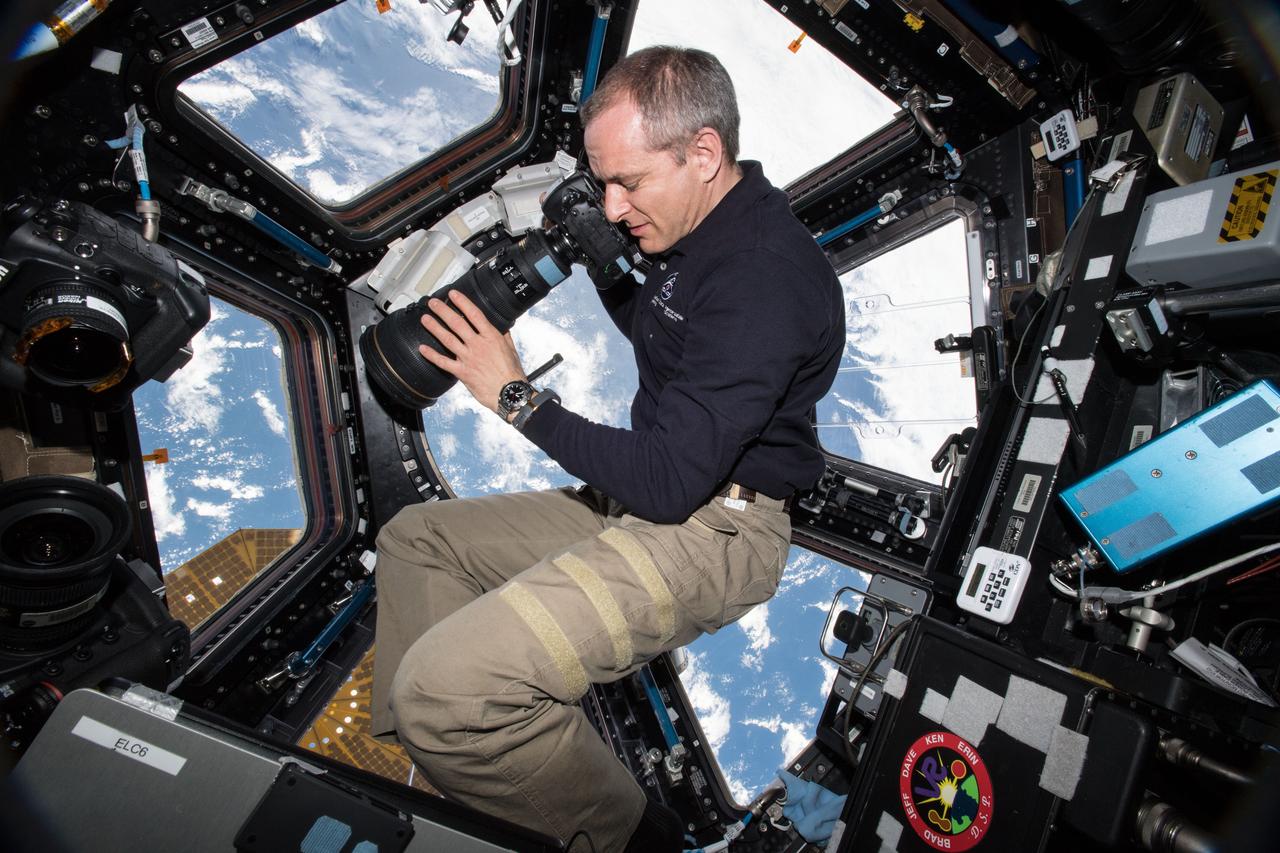
The projections are not subtle. Between Commercial LEO Destinations, lunar programs, and private missions, the number of people living and working off Earth at any given moment is on track to pass a hundred within about twenty years. That is a small town’s worth of human beings who all need to eat, sleep, wash, and use a bathroom.
“Everyone wants to design the cupola. Nobody wants to own the toilet. But the toilet is the thing that decides whether a hundred people can actually live up there.”
He is not exaggerating the difficulty. A space toilet is one of NASA’s genuinely hard, roughly $100-million problems — a system that has to manage waste, water recovery, hygiene, and failure modes in microgravity, reliably, for people who cannot simply call a plumber. As the population grows, these human-support systems stop being a footnote and become the bottleneck.
This is the same argument that runs through everything we do: the body is the overlooked layer. The glamour is in the structure and the launch; the constraint is in what the structure has to do for a body over months and years. Waste management is the least romantic version of that constraint, and one of the most important.
So we have started a Waste Management Working Group — a small, focused effort to treat crew waste, hygiene, and water recovery as a first-class design problem rather than an afterthought bolted on at the end. If you work on any part of that stack, we want to talk.