We Need a New Business Model for the Space Frontier
Consulting-for-hire and grant-funded research both stall a promising technology at the same place. The gap is not scientific. It is institutional.
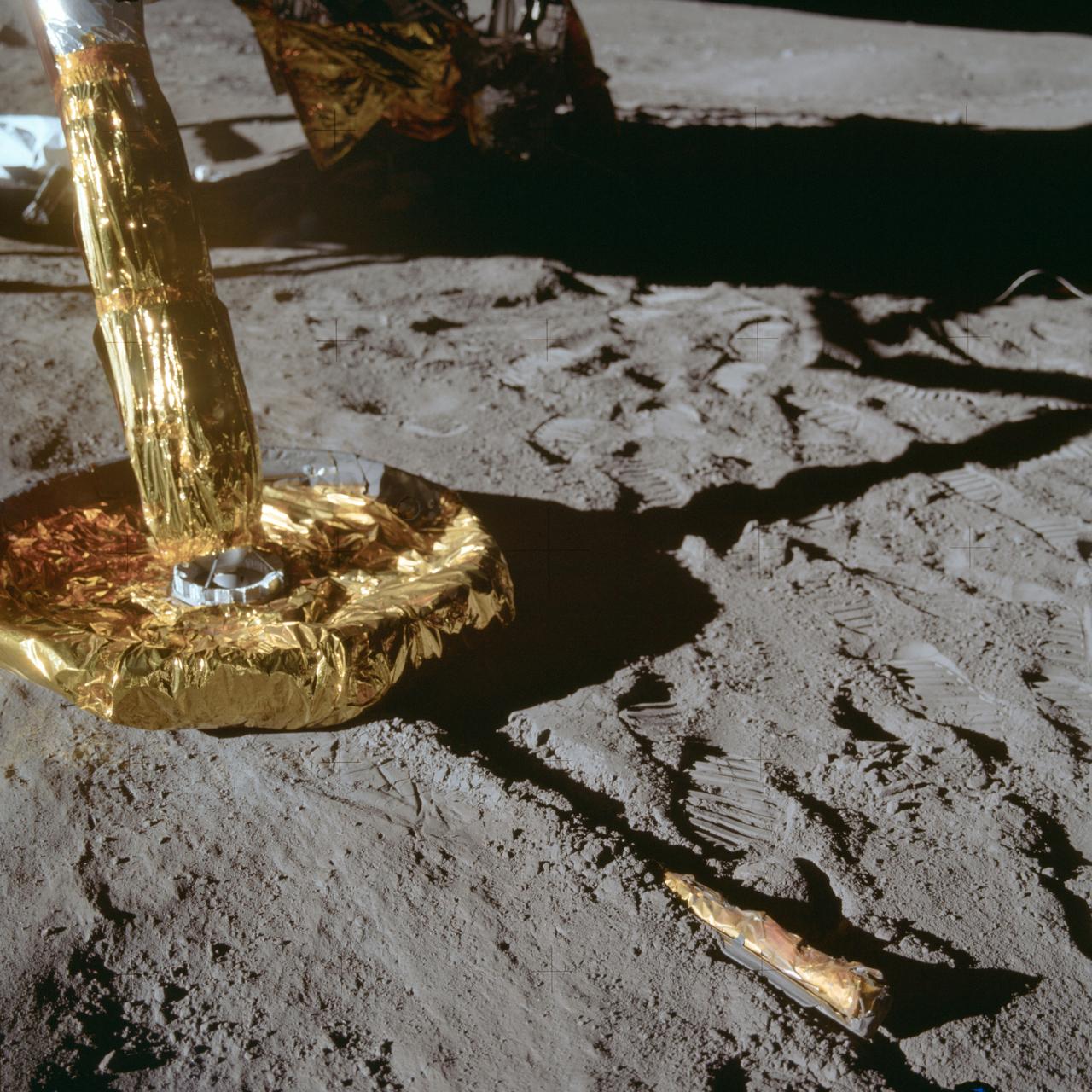
Image: NASA / SpaceX
The mid-TRL gap
Crew-health and habitation technologies reliably stall between TRL 4 and 6: past the lab, short of flight. Grants rarely fund the unglamorous qualification work, and a consultancy hands its results to a client and moves on. No one is built to carry a technology across that gap and keep the upside.
The result is a graveyard of good ideas that were never institutionally anyone's job to mature.
A lab that holds equity
The model that closes the gap looks less like a consultancy and more like an institution: source technology needs directly from documented gaps, mature them through the qualification no one else will fund, validate on analog and orbital platforms, and spin the results out as products it owns rather than deliverables it hands off.
Consulting fuels the early work. Equity in what gets built is the compounding engine. That is the model Stellar Amenities Lab is built on.
A story: MEK, past the lab and short of flight
Take MEK, a full-body haptic EVA trainer that lets astronauts train for spacewalks with real force feedback instead of a water tank. As a prototype it was genuinely impressive — and, in the usual model, unfundable. Too mature for a research grant, too raw for a procurement, stranded in the mid-TRL gap.
Carrying it across meant doing the unglamorous qualification work no one else would fund, and taking it into a five-office coordinated review at NASA Marshall. That is not consulting-for-hire and it is not a grant. It is an institution deciding a technology is its job to mature, and holding the upside when it flies.
Multiply that across a portfolio and you have the Lab: consulting fuels the early work, and equity in what gets built is the compounding engine.
Image: NASA