“A layer no one is responsible for” — in conversation with Niki Werkheiser
After 25 years inside NASA, Niki Werkheiser keeps returning to the same observation: crew-health and habitation technologies stall between the lab and flight, because no institution is built to carry them across.

"I watched this happen for 25 years at NASA: promising crew-health and habitation technologies stall at TRL 4 to 6, with no institution built to carry them across," says Niki Werkheiser, former NASA Director of Technology Maturation.
The pattern is simple. A technology proves itself in the lab, then stalls — not for lack of merit, but because funding the next step is no one's job. Grants rarely cover the qualification work, and a consultancy hands its results to a client and moves on.
It is getting harder rather than easier. NASA's civil-servant workforce has contracted since 2025, and much of the crew-side knowledge lives in the heads of people who are now retiring. As they leave, it has nowhere to land unless an institution is built to hold it.
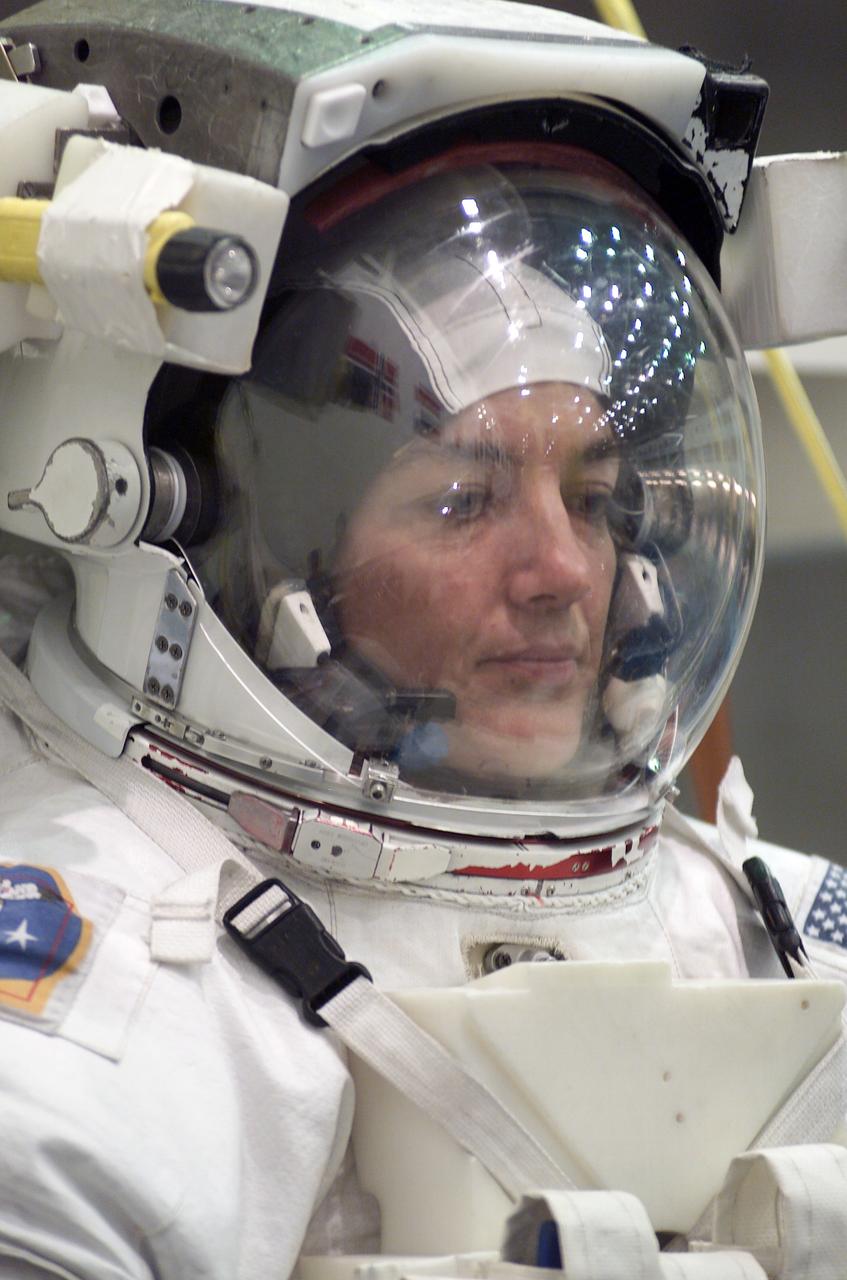
Most attention goes to the stations and the launchers, and far less to the layer inside them: what a body needs to stay alive and whole. Space ages the body several times faster than Earth does, and there is still no good longitudinal dataset across the roughly 730 people who have flown.
That is the layer we've chosen to work on — starting with an intelligence layer that turns the human body in space into a dataset worth having.