The Quantifiable Return: Measuring ROI in Space Habitat Design
Habitat design is usually filed under cost. In a crewed mission it is one of the few levers that actually moves the economics.
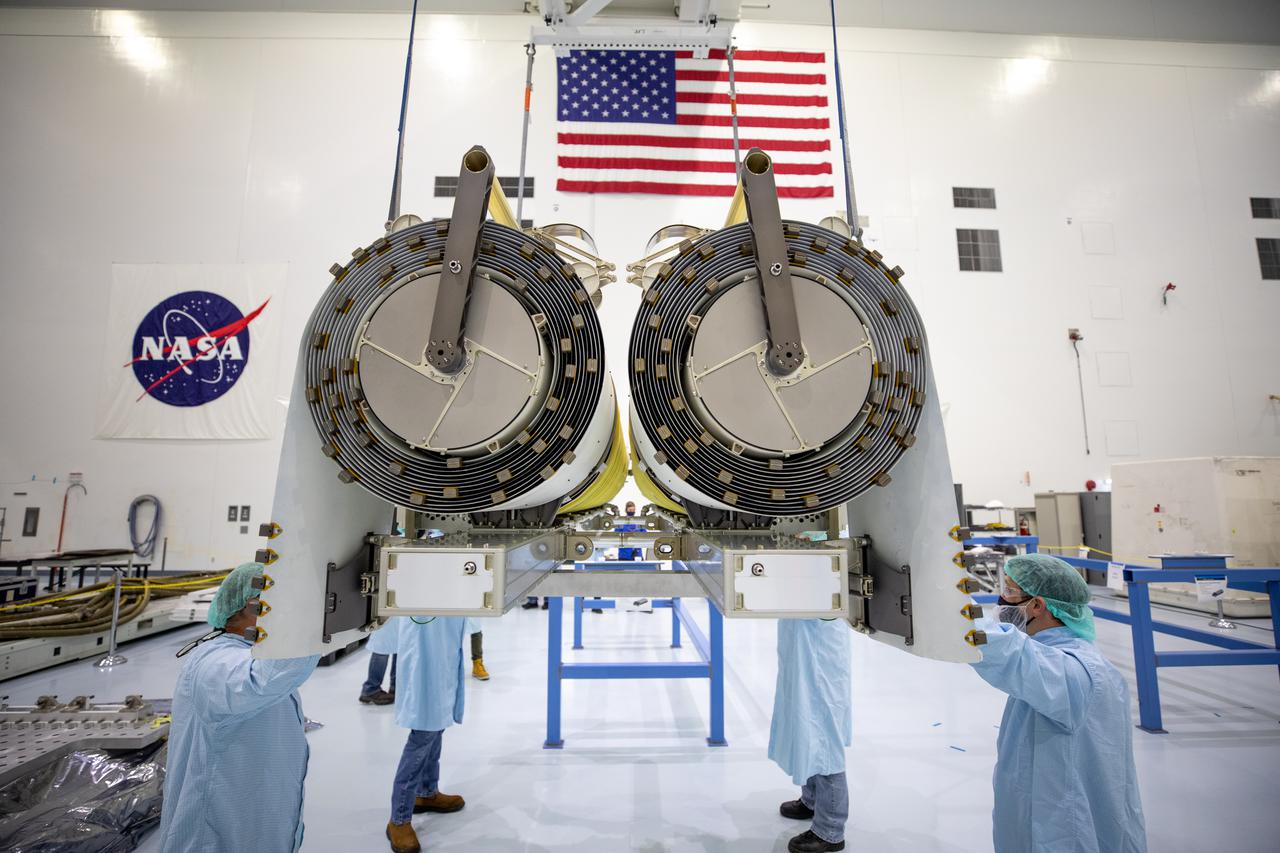
Developed out of our work with a Commercial LEO Destination operator.
Crew time is the scarcest resource
On a commercial station or a lunar surface mission, the most expensive thing on board is the crew's time. Every hour lost to a badly placed workstation, a noisy sleep station, or a stowage system nobody can find is an hour of the mission's headline cost burning with no return.
That reframes interior architecture from a finishing decision into a performance system. The question is not whether a layout looks resolved. It is how many usable, error-free crew hours it produces per day, and how quickly the same volume can be reconfigured for the next task.
What we actually measure
We tie design choices to operational metrics: task completion times, error and rework rates, sleep quality, and the speed of reconfiguring a volume between functions. Those numbers convert directly into mission cost and, for a commercial operator, into how much a customer will pay for the experience.
The result is a defensible ROI case for a habitat decision, made before the structure is committed, rather than a subjective argument about comfort after the fact.
A story from the galley
In one engagement with a Commercial LEO Destination operator, the working assumption was that interior layout was a finishing decision to be settled last. We treated it as a performance system instead. By re-sequencing the galley and stowage around the crew's actual daily movement — not the tidiest drawing — we recovered close to an hour of usable crew time per day.
On a mission where an hour of crew time is one of the most expensive line items on the manifest, that is not a comfort improvement. It is a measurable return, compounding across every mission day, that showed up in the operator's own cost model.
The lesson generalizes: the habitat is rarely the cheapest thing to change, but it is often the highest-leverage one, because it multiplies against the single scarcest resource on board.
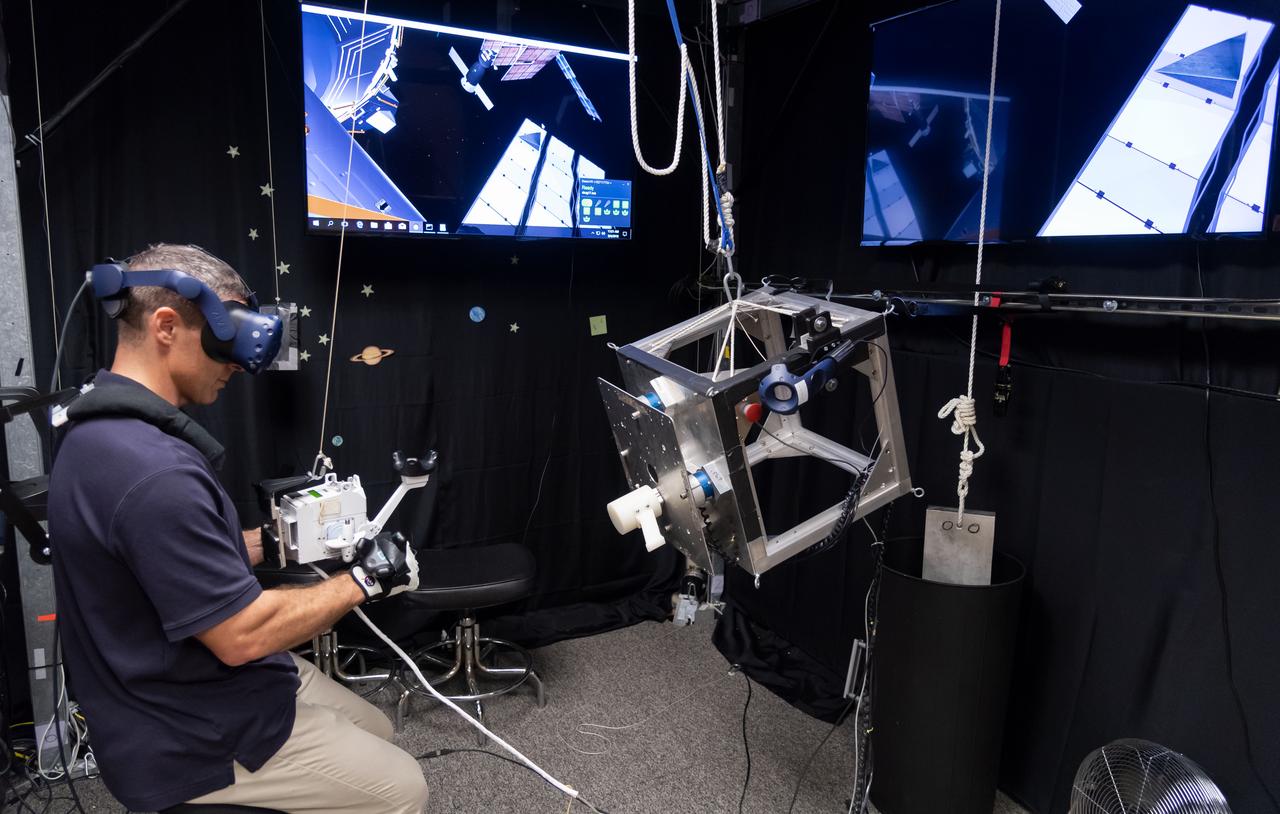
Image: NASA